
Use our cover up tattoo generator to redesign the ink you already have
Upload one photo of your existing tattoo—optional, but recommended—or describe its size, placement, colors and shape. Then generate new design directions built to cover or blend it into a larger composition you can discuss with a tattoo artist.
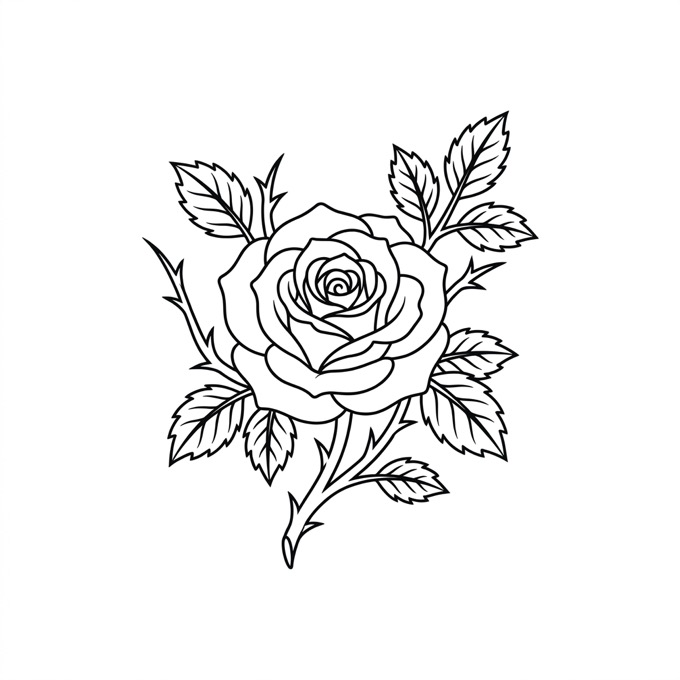 Layered shading
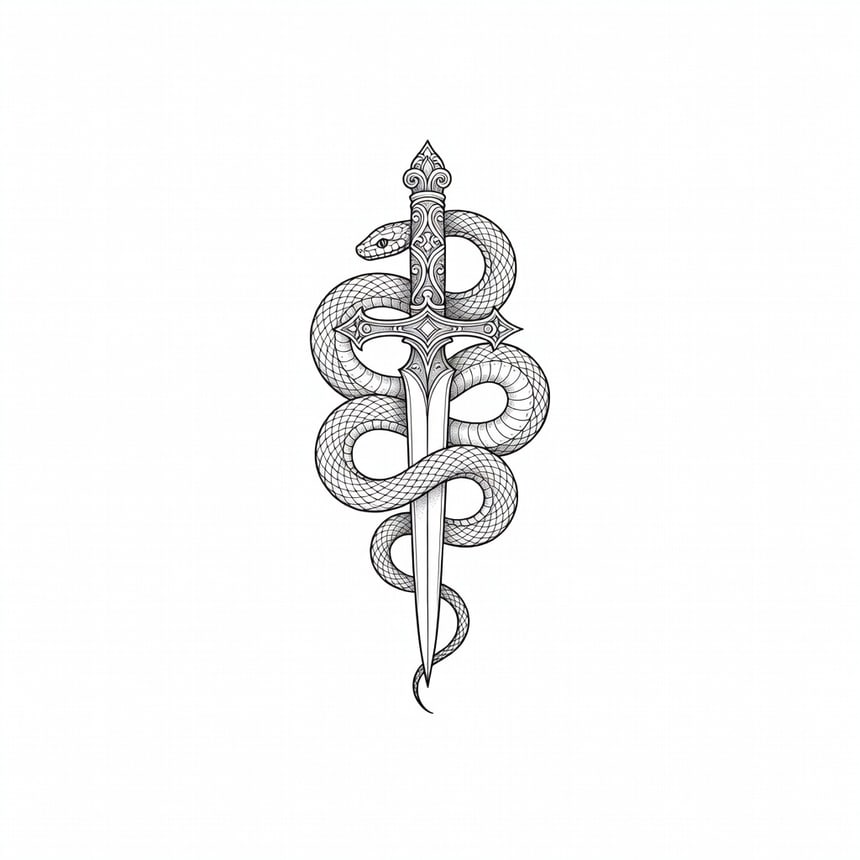 Bolder scale
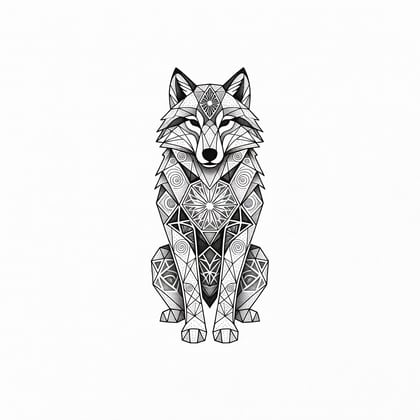 Dense structure
Start with the tattoo underneath, not a blank canvas
Each brief pairs a realistic old tattoo with a larger, denser new direction. Choose one to prefill the tool, then replace its size, placement and subject with your own details.
Give the cover up tattoo generator the old context and a new direction
Use the upload control below for one clear photo of the existing tattoo (up to 10 MB). In the text box, describe its body placement, approximate size, colors and darkest areas, then name the new subject and style you want. The AI uses that photo and description to redraw a new tattoo direction over or around the reference context; it does not automatically measure the old tattoo or confirm that coverage is possible.
Sign in to start · 5 credits per generation
Your tattoo design will appear here
Move from unwanted ink to an artist-ready starting point
Upload or describe the old tattoo
Add one current photo or write down its location, dimensions, dominant colors, darkest areas and why it needs covering. The tool needs you to provide these details; it does not detect them automatically.
Choose the replacement and generate variants
Describe the subject and style you want instead. Ask for a larger, darker or more layered composition where appropriate, then compare several directions without treating any one result as guaranteed coverage.
Take the strongest direction to an artist
Book an in-person cover-up consultation. An artist must assess the old ink’s saturation, any scarring, the skin and the available space before confirming what can be tattooed.
A useful cover-up brief has four honest parts
Cover-up prompts need more constraints than a from-scratch tattoo idea. These details give the generator a clearer direction and give your artist a more grounded reference to react to.
Old tattoo details
State the body location, approximate dimensions, dominant ink colors and how dark the old tattoo is. Mention whether the outline is still sharp or the piece has faded.
Example: outer shoulder, about 7 × 5 cm, solid black center, faded grey edges, no color.Desired subject and style
Name what you want to see instead and the visual language you can live with at a larger scale. The new subject should be clear enough to guide useful variants.
Example: peony and snake, black and grey, bold rather than delicate, shaped for the upper arm.Coverage strategy
As a general rule, larger and darker compositions with layered blackwork, floral or geometric detail tend to offer more coverage options than sparse fine-line work. That is guidance, not a guarantee.
Example: extend beyond the old outline, place dense leaves through the darkest area, keep softer shading at the edge.What to avoid
Call out subjects, colors and density you do not want—but keep the constraint realistic. A tiny fine-line design should not be expected to hide a large, dark tattoo.
Example: no lettering, no bright color, no tiny isolated symbol, avoid open negative space over the old center.The generator proposes a direction; your artist confirms reality
A cover-up is constrained by the tattoo and skin already there. This page can help you articulate a new direction, but it cannot replace an in-person assessment or guarantee coverage.
Bring the old tattoo and the new direction together
Save the strongest generated direction and show your artist a clear, current photo of the existing tattoo. The result from this page is a conversation starter, not proof that the old ink can be covered.
Ask for an in-person cover-up assessment
A tattoo artist needs to inspect ink saturation, scarring, skin condition, placement and available space in person before confirming whether a cover-up is possible or whether fading sessions should be discussed.
Let the artist rebuild the design for your skin
The artist will decide the workable scale, dark-value placement, line weight, sessions and price. Expect them to redraw parts of the AI reference so the final plan responds to the old tattoo and your anatomy.
Starting reference only. Feasibility, final size, number of sessions and pricing must be confirmed by the tattoo artist who examines the existing tattoo in person.
Use the workflow that matches where you are now
A cover-up starts with an existing constraint. If you are still choosing the replacement—or want a from-scratch workflow—these pages provide a better starting point.
Tattoo Idea Generator
Still deciding what the new design should be? Browse subjects, styles, placements and moods before writing the cover-up brief.
Explore new tattoo ideas ->Tattoo Maker
Use the custom maker when you want to build any tattoo design from scratch without centering the workflow on old ink.
Build a custom tattoo ->Main AI Tattoo Generator
Return to the main generator and gallery for the broad product overview, style examples and the core design experience.
Visit the main generator ->Before uploading reference photos or buying credits, review Privacy, Terms and Refund.